Drivers often ask an important question: “Does my ELD track driving using GPS, or does it come from the engine?”
Understanding the difference between ECM vs GPS ELD data is critical—not just for compliance, but for peace of mind on the road.
This blog takes a critical, analytical look at how ELDs determine driving time, why ECM data is the true authority, where GPS fits in, and how ELD Nexus designs its system around driver well-being and fairness, not confusion or guesswork.
Why This Question Matters to Drivers
Confusion about how ELD tracks driving often leads to frustration when:
- Driving time appears unexpectedly
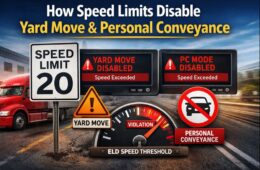
- Logs switch to Driving while moving slowly
- GPS location looks inaccurate compared to actual movement
When drivers don’t know which system controls driving status, it can feel like the ELD is “working against them.” The truth is more nuanced—and understanding it gives drivers confidence.
ECM vs GPS ELD: What’s the Difference?
What Is ECM Data?
The Engine Control Module (ECM) is the vehicle’s internal computer. It monitors:
- Engine power status
- Vehicle speed
- Wheel movement
- Engine RPM
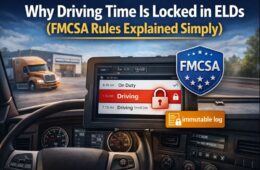
When the ECM detects vehicle movement above the regulated threshold, the ELD must record Driving automatically.
ECM data is the authoritative source for driving time under FMCSA regulations.
What Is GPS Data Used For?
GPS data comes from satellites and is used primarily to:
- Track vehicle location
- Record latitude and longitude
- Support roadside inspections
- Provide fleet visibility and route history
GPS does not determine whether a driver is driving under Hours of Service rules.
Which One Actually Determines Driving Time?
The Short Answer:
ECM determines driving time. GPS does not.
From a regulatory standpoint, this is not a debate.
FMCSA requires ELDs to record driving based on engine and vehicle movement data, not satellite location. GPS alone cannot reliably determine:
- Whether the engine is running
- If wheels are moving
- If movement meets the driving threshold
That’s why, in the ECM vs GPS ELD comparison, ECM always wins when it comes to driving status.
Why GPS Alone Would Be a Problem
From a critical analysis perspective, relying on GPS to determine driving would introduce serious risks:
GPS Limitations:
- Signal drift or loss
- Delayed location updates
- Inaccurate speed estimation
- False movement when parked
- Inconsistent performance in tunnels or urban areas
If ELDs used GPS alone, drivers could face:
- False violations
- Inconsistent logs
- Unreliable audit data
ECM-based tracking eliminates these issues by relying on actual vehicle behavior, not estimated movement.
How ELD Tracks Driving in Real Life
To clarify how ELD tracks driving, here’s what actually happens:
- Engine turns on
- Vehicle moves above the speed threshold
- ECM sends movement data to the ELD
- ELD automatically switches to Driving
- Driving time is recorded and locked
GPS may show where you are—but ECM determines what you’re doing.
Why Drivers Sometimes Blame GPS (And Why It’s Understandable)
Drivers often assume GPS causes false driving because:
- GPS maps show movement when the truck is stationary
- Location dots shift slightly on-screen
- Visual feedback feels misleading
This is understandable—but it’s important to know that GPS visuals do not control driving status.
At ELD Nexus, educating drivers on this distinction is a core part of our driver-centric philosophy.
The ELD Nexus Driver-Centric Approach
At ELD Nexus, compliance is never separated from driver well-being. We believe drivers deserve clarity, not confusion.
How ELD Nexus Puts Drivers First:
- Clear explanations of ECM vs GPS roles
- Transparent, audit-ready ECM data
- Easy annotations so drivers can explain context
- No hidden or silent log changes
- Education-focused design to reduce stress
Our goal is not just compliance—but confidence, fairness, and peace of mind for drivers.
Why ECM-Based Driving Protects Drivers
From a critical standpoint, ECM-based tracking benefits drivers by:
- Preventing log manipulation
- Protecting against false accusations
- Reducing pressure from improper edit requests
- Creating defensible records during inspections
What may feel restrictive in the moment often works in the driver’s favor long-term.
Final Thoughts
In the ECM vs GPS ELD debate, the answer is clear:
ECM determines driving. GPS supports visibility.
Understanding this difference helps drivers trust their logs, avoid unnecessary stress, and focus on what matters most—safe driving and a healthy work-life balance.
With ELD Nexus, drivers are never left guessing. Our driver-centric approach ensures technology supports drivers, protects their records, and respects their well-being—every mile of the way.
Frequently Asked Questions (FAQs)
Does GPS determine driving time in an ELD?
No. GPS only tracks location. ECM data determines driving time.
Why does my GPS show movement when I’m parked?
GPS signal drift can cause slight visual movement, but it does not trigger driving status.
What actually triggers Driving status in an ELD?
Vehicle movement detected by the ECM above the regulated threshold triggers Driving.
Can GPS errors cause false driving time?
No. Driving time comes from ECM data, not GPS.
Why do ELDs rely on ECM instead of GPS?
ECM provides accurate, tamper-resistant data required by FMCSA regulations.
How does ELD Nexus support drivers with ECM-based logs?
ELD Nexus offers transparent data, easy annotations, and education-first tools—always prioritizing driver well-being.